
Posts Tagged ‘Tacoma’

Boiler Basics for Tacoma Residents: Know the Components of Your Hot Water Heating System

Monday, April 30th, 2012

Hydronic boiler systems in Tacoma, or otherwise known as water heating systems, are becoming very popular. They make use of water’s excellent efficiency for transferring heat. Hot water circulates through the house in a  network of pipes that connect to radiators or baseboard convectors that transfer the heat to the air. Return pipes cycle the water back to the boiler to be heated again.

The heart of the system is the hot water boiler.  As you might expect, boilers get their name because they are boiling water to produce heat. That doesn’t mean there’s a cauldron of water bubbling away inside the boiler’s walls. Water inside the boiler is contained entirely within coils of pipes. Burners beneath the pipes heat the water as it circulates through the pipes. The burners can be gas or oil fired, or electric.

When a pot of water boils on a stove, it sends a lot of heat and steam into the air. Put a lid on the pot and the pressure from the boiling water lifts the lid to allow the steam to escape. Now imagine water being heated inside the coils above the burner.  As the pressure builds it has nowhere to go so it drives the water out of the coils and into the network of pipes connecting to the radiators. As it circulates, the hot water pushes the cooler water through the pipes and back down to the boiler. The movement of the water through the system may be assisted by a motor-driven circulating pump connected to the return pipe where it enters the boiler. The pump creates negative pressure that helps cycle the water away from the boiler, through the pipes and radiators, and back to the boiler.

The basic operation of hydronic systems may sound simple, but safely and efficiently controlling it requires a series of sophisticated components. As the water is piped away from the burners and out of the boiler it flows through a valve connected to an expansion tank, which allows the water to expand as it heats. The expansion tank is a large, cylindrical object that hangs off the pipe exiting the boiler.

The large pipe heading away from the expansion tank is divided into a series of smaller pipes, each of which is connected to a zone valve, a small metal box with electrical wires attached to it. The zone valves are wired to the thermostats in the house. When the thermometer in the thermostat drops below the set temperature, it sends a signal to open the zone valve. The hot water from the boiler flows through the valve and into the series of pipes and radiators that service that zone. There may be one, two, or several zone valves depending on the number of zones in the house.

The boiler is also connected to the house water supply so it can be refilled if it loses water. The water supply is usually a small diameter copper pipe exiting the boiler and connected to a shut off valve. The shut off valve also has a pipe leading away from the boiler and connecting to the house’s cold water supply. There is also a pressure relief valve attached to another small diameter copper pipe running out of the boiler. The valve relieves excessive water pressure that builds up inside the boiler.

Oil heat boilers have an electric burner motor that pumps fuel oil out of the tank and into the boiler. The burner motor is attached to the boiler and should have a red reset button that pops up when the boiler shuts down from a malfunction. Gas powered boilers have a smaller gas valve that regulates the flow of gas into the boiler.

Exhaust gases from the burned fuel are vented through a large diameter stack rising up from the center of the boiler and into the chimney. The exhaust stack may be sealed or it may run into an even larger diameter vent with a cone-shaped skirt.

The aquastat is the electrical switching device that ignites the burners when a zone control sends a signal to the boiler calling for heat. The aquastat may be housed in a small metal box attached to the boiler, or it may be inside the boiler. In either case, it will have thick electric cables leading into it. The last critical component on the boiler is the pressure/temperature gauge. If a problem arises with the heating system, it allows the homeowner or the HVAC technician to determine if the boiler is overheating, losing pressure, or not functioning.

Please contact Sound Heating if you have any questions about this.

Tacoma Heating Repair Question: Why is My Furnace Making Noise?

Monday, April 2nd, 2012

During a bitterly cold night, in the luxury of our homes, we have the ability to adjust the temperatures to comfortably walk barefoot down the hall.  It is easy to take our Tacoma furnaces for granted, but without proper maintenance, they can become noisy and irritable, growling with mysterious sounds of dissatisfaction and ominous groans, warning that slippers and more blankets may soon be necessary.

This does not have to happen to you.

At the beginning of each season, it makes good sense to care for the furnace that is going to take care of you.   Scheduling an annual inspection and filter change with Sound Heating & Air Conditioning Inc. ensures a longer life and more comfort.

Rattles and Bumps in the Night

At the first sound of trouble, checking the filter can often be a quick relief.  As air passes through the furnace, a filter picks out much of the dust and some heavier particles that have come along, gotten snagged and accumulated over time to create a solid blockage.

This filter can become clogged and force your Tacoma furnace to work much harder to push the air through the blocked passage. Located just inside the front panel of the furnace, the filter is very accessible and easily exchanged for a clean one.  This should be the very minimum of regular maintenance and is simple enough to do that it can make anyone feel handy.

Deeper Trouble

Heated air and cold air returning to and from the furnace travel through ductwork which is often metal (those long, silvery boxes tucked up between joists in your basement and covered by a nasty layer of cobwebs).  The vibration of footsteps across the floor overhead or even of just the air movement through the ducts can loosen the fasteners and rattle the metal like a rumble of thunder.

Internally, there are fans and lots of moving parts in the motor.  A noise coming from this area portends a repair of a more complicated nature and should have the inspection of a certified technician, a service easily provided by Sound Heating.

With proper care and maintenance, furnaces are built to last for decades, providing heat and comfort to the home or office and improving the quality of life for the people inside.  Consult with experts to ensure the efficient operation.

Federal Energy Efficiency Rebates Explained for Tacoma

Friday, March 16th, 2012

As a Tacoma resident you’ve probably seen the advertisements and heard the sales pitches. Upgrade with a heating system installation, air conditioner, tankless water heater, or insulation and receive a federal rebate on your taxes for a percentage of the installation cost. The government is seriously invested in improving the energy efficiency of the country, cutting electric bills and helping people stay comfortable. Here’s a quick look at some of those rebates and how you can tap into them.

Energy Efficiency Credits

There is a standard tax credit of 10% of the cost up to $500 or a specific amount between $50 and $300 for any upgrade made to your existing home for heating, ventilation, air conditioning, insulation, roofs, or water heaters. These upgrades must be made on an existing home in which you currently live – rentals and new construction homes are not eligible.

Green Energy Credits

Even better credits are available if you plan on installing a geothermal heat pump, wind turbine or solar system – either PV panels or solar heating. The tax credit here is 30% of the cost with no upper limit. This applies to any existing or new homes and can be applied to both primary and secondary residences.

Are the Tax Credits Worth It?

The big question is whether these credits are worth the investment in a brand new system? For the most part, it depends on your particular situation. If you have a 30 year old furnace and are planning on an upgrade anyways, why not take advantage of a nice rebate and get a more energy efficient system to go with it? However, if you just replaced your furnace three years ago and it works very well with a high energy efficiency rating, it might not be worth the investment.

Learn More

The Energy Star program run by the EPA contains detailed breakdowns of the 2011 tax credits, including what systems are eligible and how to go about claiming them on next year’s taxes. Learn more by visiting their official page, or calling Sound Heating

Tacoma HVAC Q/A: What Is an Electronic Ignition?

Wednesday, March 7th, 2012

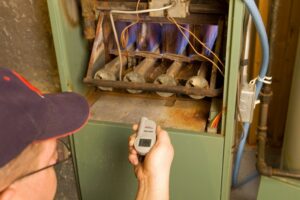
Gas furnaces in Tacoma are very complex pieces of equipment. Modern ones in particular are designed to use as little gas as possible, and to recapture as much of the heat generated from burning that gas as can be done safely. One of the many safety and energy-efficient advances in furnace technology in the least twenty years is the electronic ignition.

The Purpose of Electronic Ignition

In older furnaces and boilers, a pilot light would stay lit continuously whenever the heating system needed to be available. That meant continuously burning gas throughout the fall, winter and spring months for those times when heat was needed. It was inefficient and unsafe, especially in older devices that didn’t have safety valves.

Today, furnaces are built with electronic ignitions – small devices that only ignite the gas supply when the thermostat is on. there are two types of electronic ignition used in boilers and furnaces today.

  • Intermittent Pilot – An intermittent pilot is unique in that it releases a spark through an electronic component to the gas pilot, lighting the gas burners.
  • Hot Surface Ignition – Hot surface ignition uses an electronic filament (like a lightbulb) to heat up and ignite the burners when the thermostat calls for heat.

Both devices are designed to use a very small amount of electricity and reduce the amount of gas needed for continuous operation of your furnace.

Safety Benefits of an Electronic Ignition

While gas efficiency was a big part of the transition from pilot lights to electronic ignition, safety was an equally big component. Whereas before, the pilot light was continuously lit, meaning gas was continuously flowing into the furnace, today’s furnaces are essentially off when not in use. This means less of a chance that gas will flow unburned or that the pilot will get dirty or burn too soft, releasing carbon monoxide.

If your furnace or boiler still uses a traditional pilot light, consider having it upgraded to electronic ignition, not just to save gas but to keep your home and family safer.  Call Sound Heating for more information.

Tacoma Heating Q/A: Can Your Heating System Warn You of a CO Leak?

Wednesday, February 22nd, 2012

Carbon monoxide is a serious health risk, even in Tacoma. It is an odorless gas that is produced as a natural byproduct of combustion. So, any time something burns, carbon monoxide (CO) is released into the air.

As long as heating installation is properly ventilated, the carbon monoxide cannot build up in the air to a dangerous level of concentration. For example, if you are around a campfire or charcoal that is burning outside, you are generally safe.

In the home, the danger arises when combustion is not properly ventilated and this toxic gas is allowed to seep into our living spaces. If you use any gas, fuel or wood burning appliances in your home, you are at risk for exposure to carbon monoxide. To help mitigate that risk, it is important to know some warning signs. Your heating system gives off some warnings that can tip you off to danger, so be on the lookout for these three signals:

  1. Carbon monoxide detector goes off. Some heating systems these days have built-in carbon monoxide detectors, which can provide an extra measure of safety. Whether you have one of these systems or not, your home should still be equipped with a CO detector. If it begins sounding the alarm, get everyone out of the house immediately.
  1. A fume vent is leaking. Fuel-burning furnaces have vents to move combustion gases out of the house safely. If you notice this vent is leaking on your heating system, CO may be seeping into your house. Shut down the furnace, open windows for ventilation and have the fume vent repaired immediately.
  1. Smoke backing up from the fireplace. If you have a fireplace and you notice smoke in the room while using it, stop using it immediately. Your chimney may be blocked or leaking, preventing the smoke from rising and venting properly, which means CO can e getting into your house. Do not use the fireplace again until you have had the chimney inspected.

Please take care and note this is just a simple guide. There are other risks and warnings of carbon monoxide. If you have any suspicion that there is CO in your home, immediately call Sound Heating to look into the situation.

Sound Heating and Air Conditioning Wishes Tacoma Residents a Happy Valentine’s Day!

Tuesday, February 14th, 2012

Everyone at Sound Heating and Air Conditioning wishes you a very Happy Valentine’s Day!  We hope your day is full of love and laughter! Valentine’s Day is a time to really appreciate all of the wonderful people in your life, including your significant other, your family, and your friends. Take a moment today to let each of them know how special they are to you. Even something simple, like a handmade card, can really make someone’s whole day!

While your HVAC system might not seem like the most romantic place to start your gift giving, a few simple upgrades can make your house more comfortable, which is something your whole family will appreciate! A HEPA Air Filter can keep dust and allergens out of your air, and a new furnace or heat pump can keep your house at more consistent temperatures and cut down on your energy use. An upgrade to your HVAC system is truly a gift that keeps on giving!

For more information about easy ways to improve your home, give Sound Heating and Airconditioning a call! And to help make your Valentine’s Day as happy as it can be, here is a recipe for Ghirardelli Chocolate Raspberry Cheesecake Hearts

Ingredients

  • Crust:
  • 1 1/2 cups chocolate graham cracker crumbs
  • 1/2 cup ground almonds
  • 4 tablespoons white sugar
  • 3/4 cup butter, melted
  • Cheesecake:
  • 4 (8 ounce) packages cream cheese, softened
  • 3/4 cup white sugar
  • 4 eggs
  • Raspberry puree (recipe below)
  • 2 cups Ghirardelli 60% Cacao Bittersweet Chocolate Chips
  • 1/2 cup heavy cream
  • Raspberry puree:
  • 1 (10 ounce) package frozen raspberries
  • 4 tablespoons white sugar
  • Chocolate Ganache (optional):
  • 8 ounces Ghirardelli 60% Cacao Bittersweet Chocolate Chips
  • 1/2 cup heavy cream
  • Additional Garnishes (optional):
  • Fresh raspberries
  • 8 ounces white chocolate, melted for drizzling

Directions

  1. Preheat over to 325 degrees F (165 degrees C).
  2. CRUST: In a microwave safe bowl, melt the butter. Add the chocolate graham crackers, ground almonds, and sugar and mix until combined. Press mixture into the bottom of a 9-inch springform pan and set aside.
  3. PUREE: In a saucepan, combine raspberries and sugar. Bring to boil, and continue boiling 3-5 minutes, or until sauce is thick. Strain sauce through a mesh strainer to remove seeds and set aside.
  4. CHEESECAKE: In a small pot over low heat, bring the whipping cream to just boiling. Remove from heat and add the chocolate chips. Set aside for 5 minutes and then stir until smooth.
  5. In a large bowl, mix together cream cheese and 3/4 cup sugar until smooth. Beat in eggs, one at a time. Remove approximately 1 1/2 cup of this batter and place into a smaller bowl and add 1/2 cup raspberry puree. Blend until combined. Add the melted chocolate to the remaining batter and mix until combined. Pour the chocolate cheesecake batter into the pan. Very carefully layer the raspberry cheesecake mixture on top of the chocolate mixture. Bake for 60 to 75 minutes, or until filling is set. Cool in pan, then cover with plastic wrap and refrigerate until cold before removing from pan.

For more details, visit allrecipes.com.

Tacoma Indoor Air Quality Tips: How Electronic Air Filter Works

Monday, February 6th, 2012

For a long time, the most frequently used kind of air filter in Tacoma has been the mechanical variety. This is the kind you probably think of when you hear the terms air filter, air cleaner or air purifier. They use pleated fibrous filters in-line with an air handler to trap particles in the air before circulating it back out into the home. Many models of these work very well and have for many years. They have the added benefit of being flexible because you can put in whatever filter you need depending on what size particles you need to trap. However, these traditional devices are not the only option. A second kind of air filter exists for trapping particles in the air– one that does not use a fibrous filter that physically snags them out of the air on the way through. These electrostatic, or electronic air filters work in a different way to produce a similar result. The filtering component is still a fibrous sheet, but the difference is that the fibers are made of plastic, which becomes charged when air passes through it and causes friction. (Think something like when you rub a balloon and stick it to the wall.) These friction-charged fibers carry an electronic charge, which attracts the ions in the air around it. These ions — and the particles that they are a part of — get trapped in the fibers and stay out of your air supply. Electronic air filters are generally very good at trapping particles that are 1 micron in size or higher, putting them about on par with a mechanical air filter that carries a MERV rating of 12. The electrostatic method works well for many common household air pollutants, such as dust, pollen, mold and pet dander. As with many ventilation-related decisions, the choice of what kind of air filter is right for you depends on your needs and those of your family. If you are having trouble deciding, then contact Sound HCVA experts with any questions.

How Many Solar Panels Do I Need For An Electric Solar Power System in Tacoma?

Wednesday, February 1st, 2012

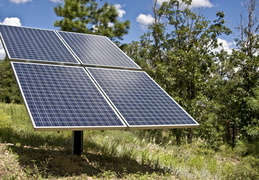
Aside from determining cost, knowing how many solar panels you need to potentially power your home in Tacoma helps you picture what the finished product will look like. After all, you want your home to be energy efficient, but you also want it to not be an eye sore. Estimating how many panels you will need involves some research and math, but it can be done simply enough and is worthwhile. Below are some steps to help you estimate how big your array will need to be:

Researching Solar Panels

First up, decide how much of your energy needs you want a solar array to provide. For example, you may choose to keep your home on the utility grid, but plan to have 50% of your home’s energy come from solar. The steps below assume 100% solar energy.

You should also determine your current energy usage. You can do this by looking at old utility bills. It is best to look at usage over a span of 6-12 months in order to get an accurate estimate. You will usually find this figure in kilowatt hours (kWh). Estimated energy use for an average American household is about 740 kWh per month.

Another important step is to find the insolation value for your area. This number reflects the number of hours in a day that a solar panel will perform as rated. You can find reference tables of insolation values online.

Calculations for Your Solar Panels

Now comes the fun part – a little bit of math. First, you need to figure out the desired wattage output of your system. To do this, divide the number of kWh to be produced in one day and divide it by the insolation value. Using the average monthly usage from your research, you can see the daily average usage is about 24 kWh per day. With an insolation value of 4 hours (for example), a solar array needs to generate 6 kilowatts per hour. Because the system is not 100% efficient, raise that value by 30% to account for possible energy loss. This system will need to generate 7.8 kilowatts per hour. Since large solar panels produce about 130 watts per hour each, this system would require about 60 panels.

Note that this is an extreme example, as most homes won’t use solar for 100% of their energy needs. You will almost certainly use fewer panels; these steps are just meant to help walk you through the process. There are also calculators available online to make the estimation process a little simpler.

Heating Tips from Tacoma: When Is it Time for a Backup Heating System?

Monday, January 30th, 2012

A backup heating system is sometimes necessary for Tacoma homeowners who heat their homes with an air-source heat pump. This style of heat pump transfers the heat from the outside air to your home in the winter, and it pushes the warm air outside the home in the summer. Although some systems are efficient enough to work in colder climates, most heat pump systems require a backup heater when temperatures drop below 20° F.

York Furnaces are commonly used as a backup heater for air-source heat pumps, especially since the furnace fan blower can help distribute the hot air throughout the home. Although they are more expensive to buy and install, geothermal heat pumps typically do not require a backup heating system. These are also called ground-source or water-source heat pumps since they draw in heat from the ground below the house or from a nearby water source. Because they take advantage of the ground or water temperatures, they are also easier to maintain and have lower operating costs.

Getting the most cost-efficiency from a geothermal heat pump will depend on several factors, such as the size of your property, the temps of the subsoil, and access to local water sources. You will most likely not have to install a backup heating system with a ground-source or water-source heat pump; however, it is important to think about the installation costs and the variables that need to be in place before deciding on this type of heat pump.

Absorption heat pumps use a heat source, such as natural gas or solar-heated water, instead of electricity. Natural gas is typically used for absorption heat pumps, so they are also called gas-fired heat pumps. Depending on the source of the heat, you may or may not need a backup heating system. It’s always best to speak to a professional heating and cooling contractor if you are not sure when it’s necessary for a backup heating system.

Call Sound Heating if you have any questions about a backup heater for your Tacoma home.

Testimonial – C. Stewart from Tacoma

Monday, November 21st, 2011

C. Stewarts had a great experience with our furnace installation team; here is what she wrote to us:

I want to thank you for everything you’ve done to help me get a working furnace (and air conditioner) into my home. I couldn’t be more pleased. The crew that came to my house yesterday were wonderful! I was very impressed by their work ethic, professionalism, and sincerity. Plus… they were just nice. And… they left the area cleaner than when they found it. I can’t wait to spread the word about the terrific service I received from Sound Heating. Thank you so much!!

- C. Stewart